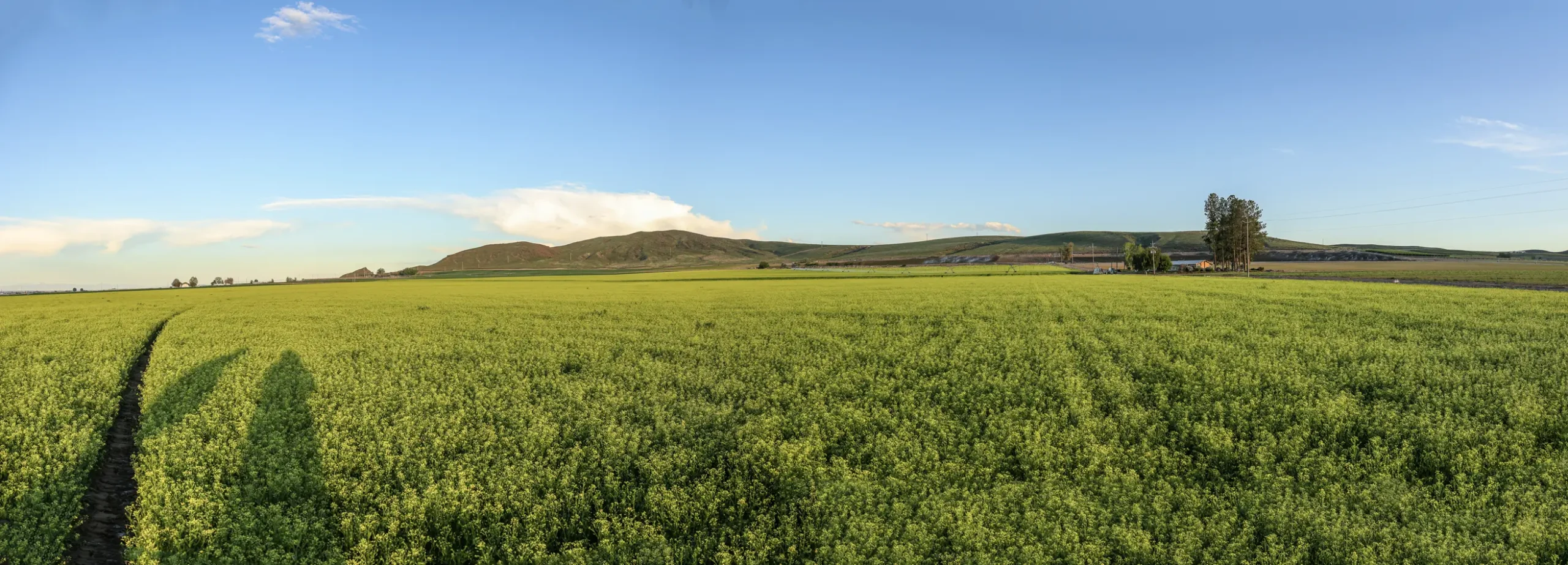
Growing Camelina
Camelina is a versatile, resilient broadleaf oilseed in the Brassica family. Its short growing season fits into nearly any cropping system — spring or winter, double-crop, cover crop, or fallow rotation.
Scroll the seasonA short season, by the numbers
Low input, low water, no pollinators — the figures that make camelina fit the rotation you already run.
*depending on the variety, planting season, and suitable growing conditions.
Five stages, one continuous season
From emergence to harvest, camelina follows a predictable arc — and JUMPSTART® opens the post-emergence weed-control window right as the crop bolts.
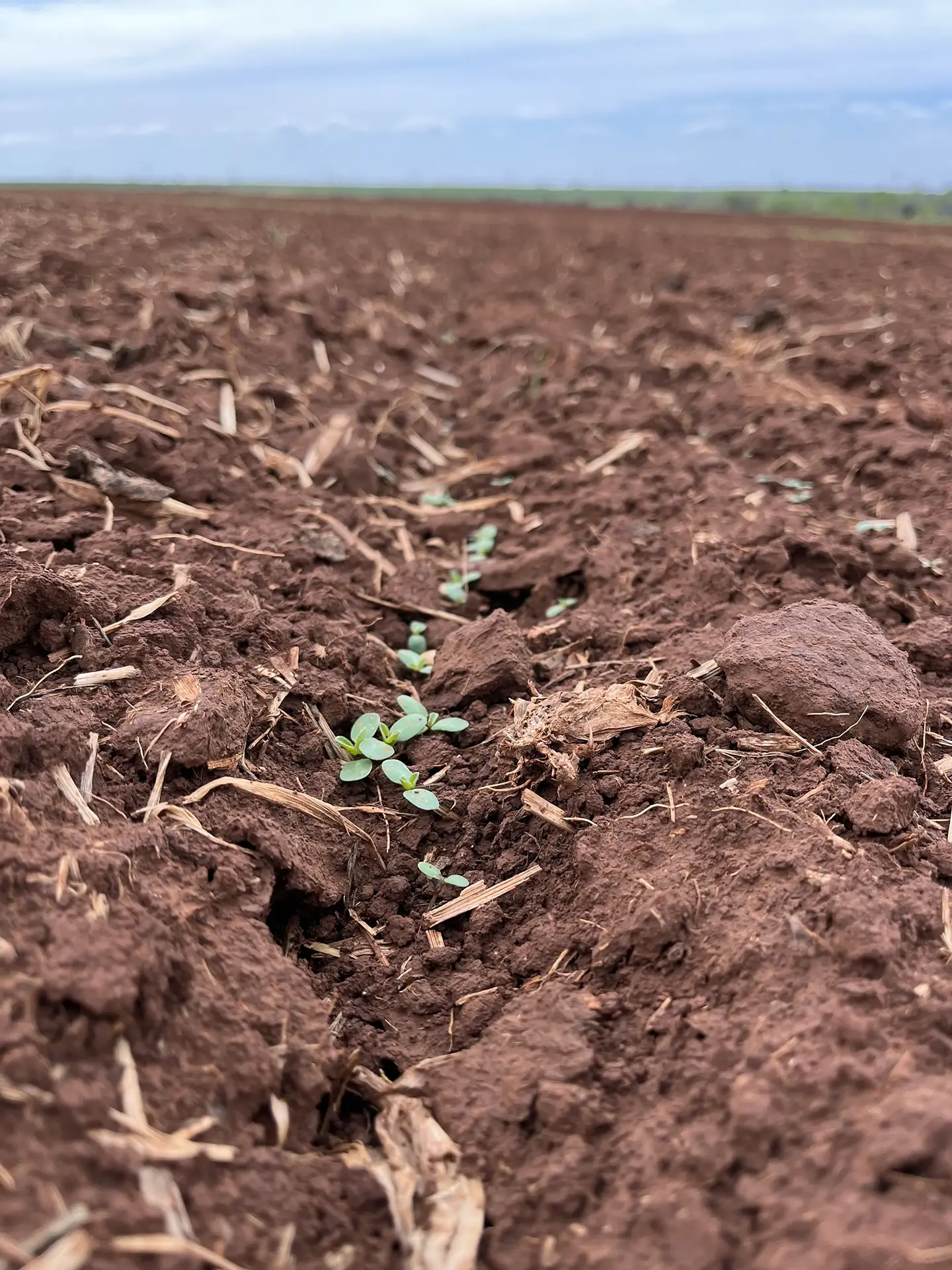
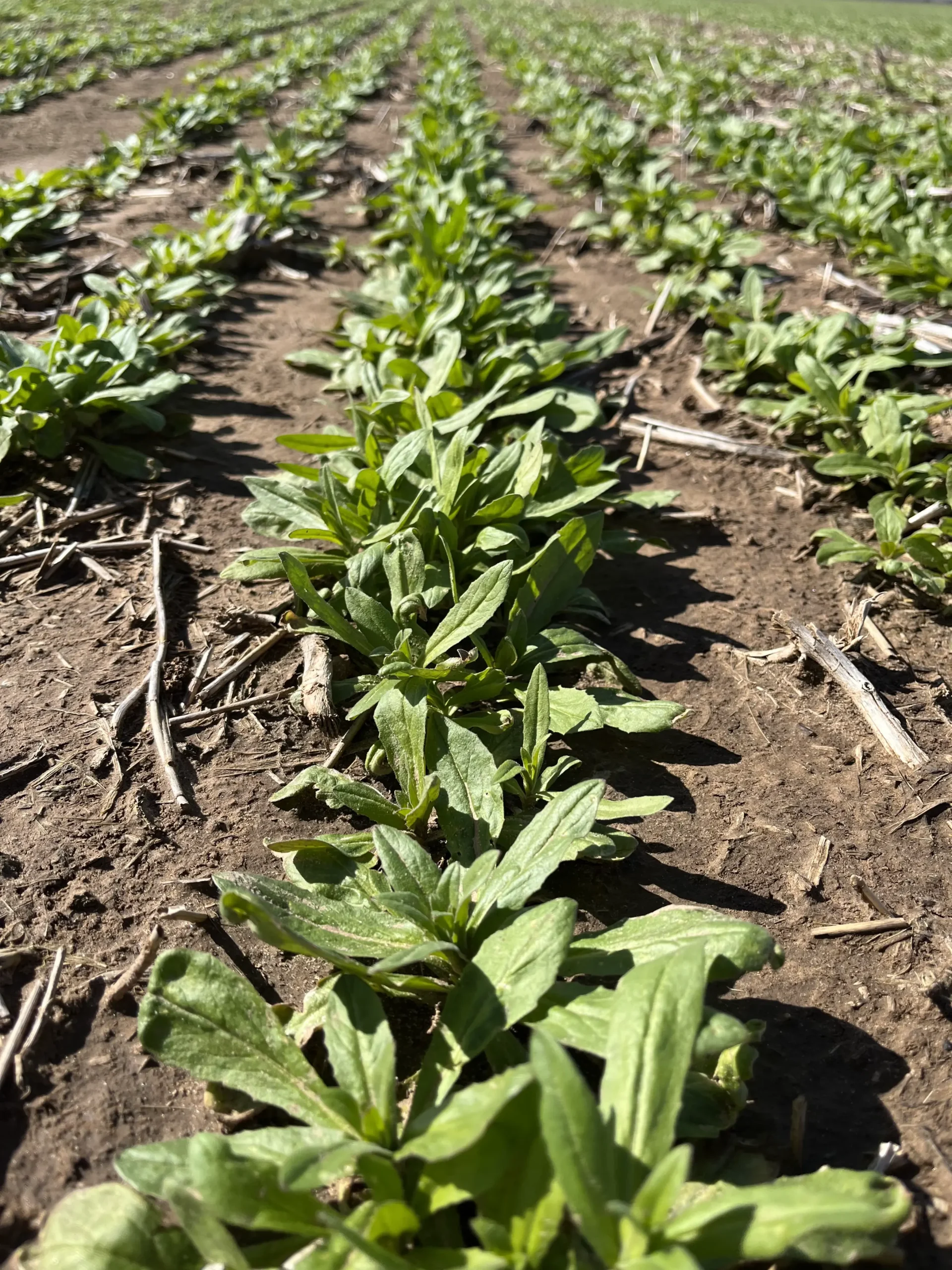
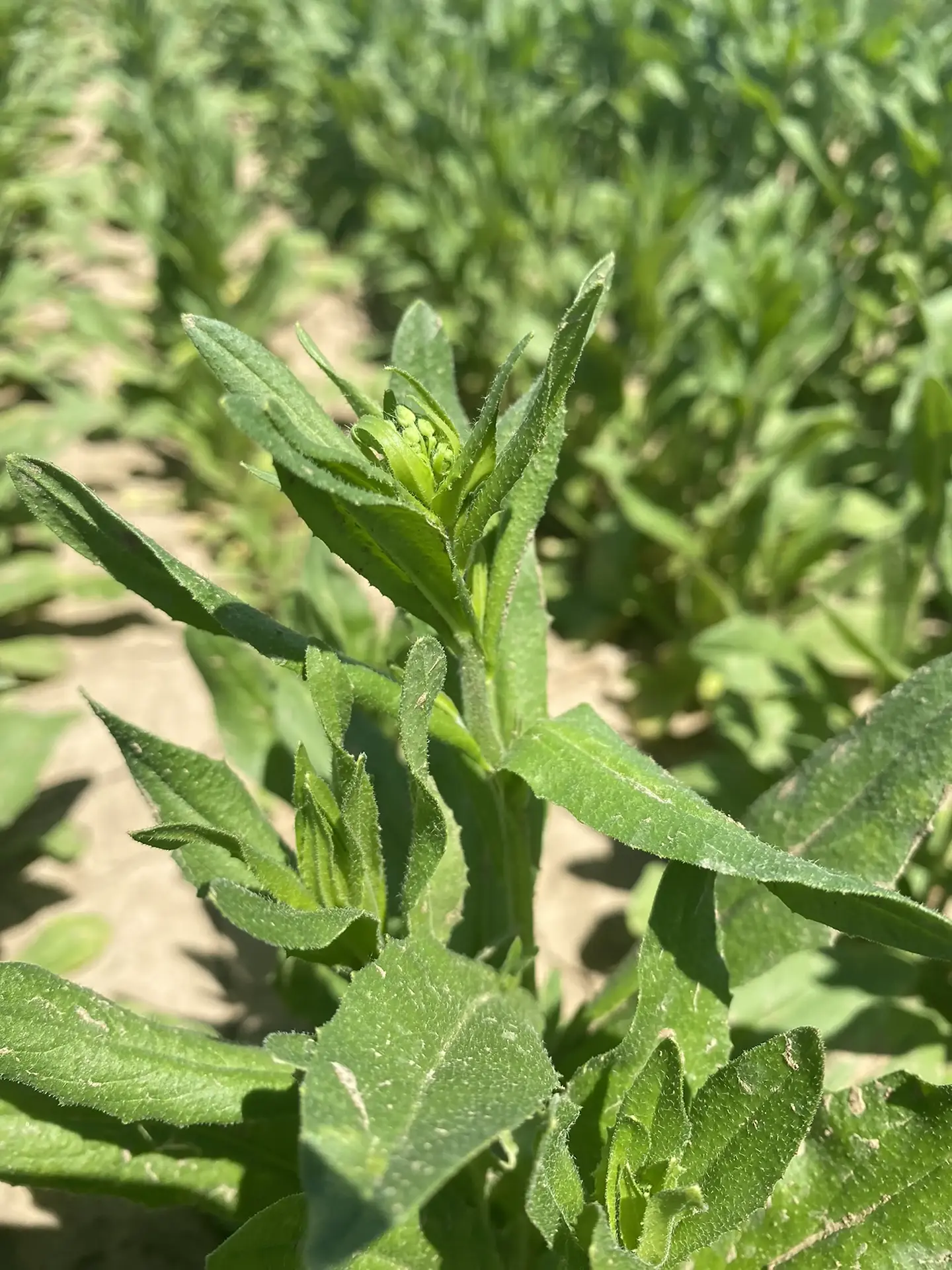
Stage timing varies by geography, variety, and planting window. *depending on grower degree and suitable growing conditions.
Emergence
Seedlings break the surface. Camelina is frost-tolerant and can germinate at soil temperatures as low as 39°F, with 50–60°F optimal for the strongest start. An early cold snap after planting isn't typically a concern.
Rosette
A low-growing rosette builds root structure ahead of bolting. The short growing season and low water needs carry right through this stage.
Bolting
Stems elongate rapidly. This is the JUMPSTART® application window — 15 to 45 days post-planting, up to bolting — when over-the-top weed control does the most for yield.
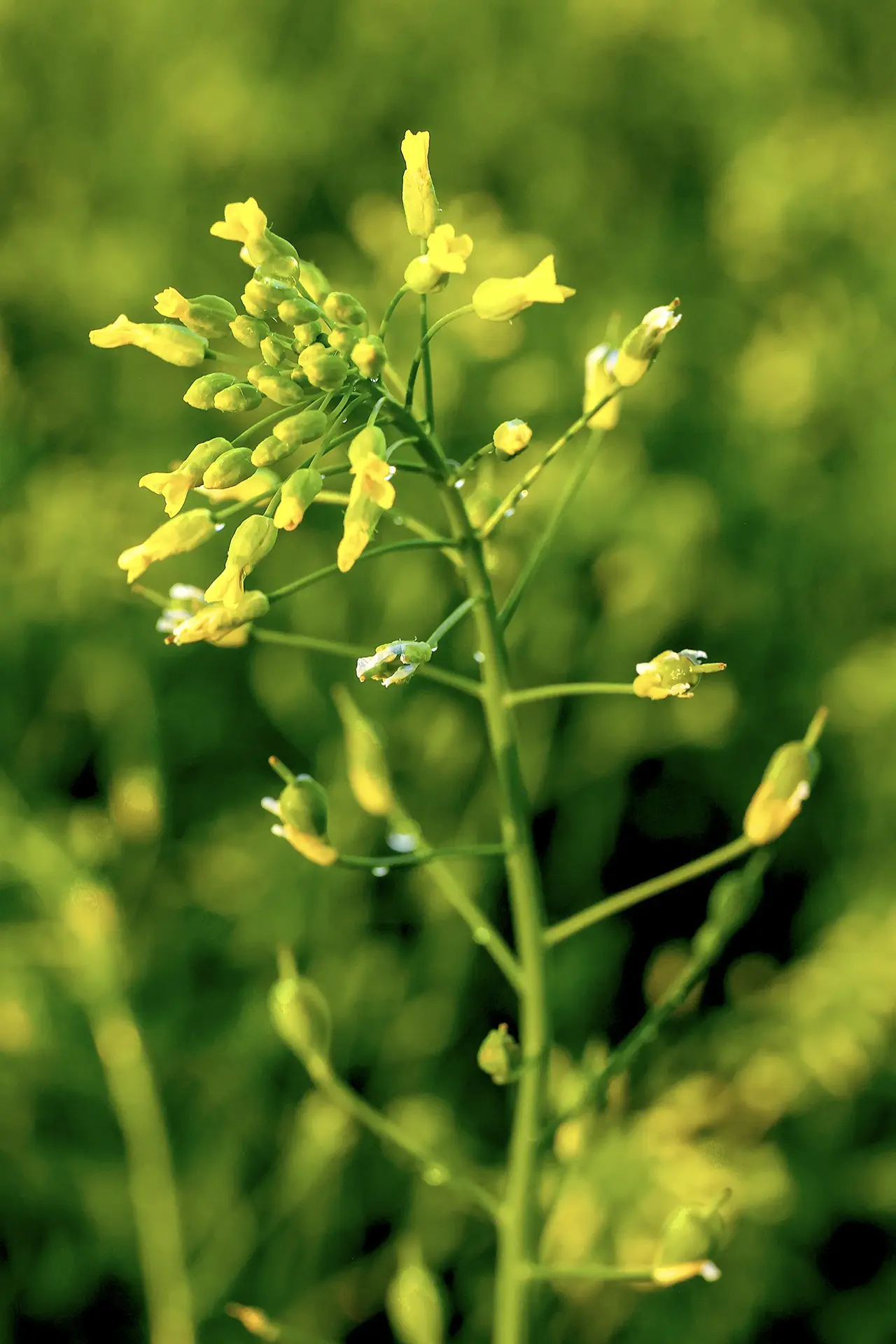
Flowering
A brief 2–3 week self-pollinating bloom — no pollinators required. Rotating out of camelina or other Brassica crops afterward helps manage disease pressure.
Harvest
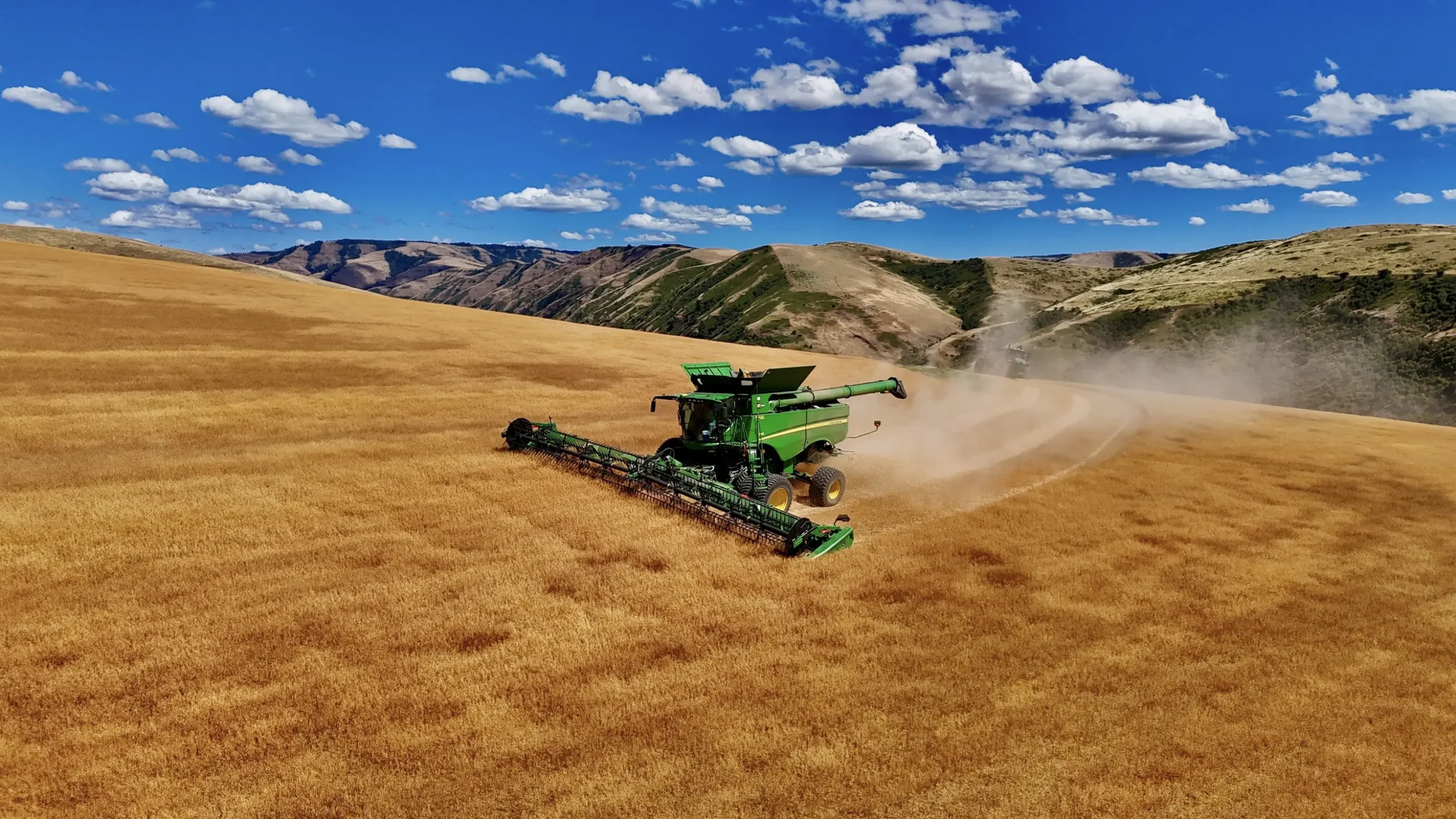
Conventional small-grain equipment handles harvest. Deliver at or below 10% moisture. If moisture runs higher, run air on the grain for 2–3 weeks post-harvest before storing.
Small seed, short season, hard to faze.
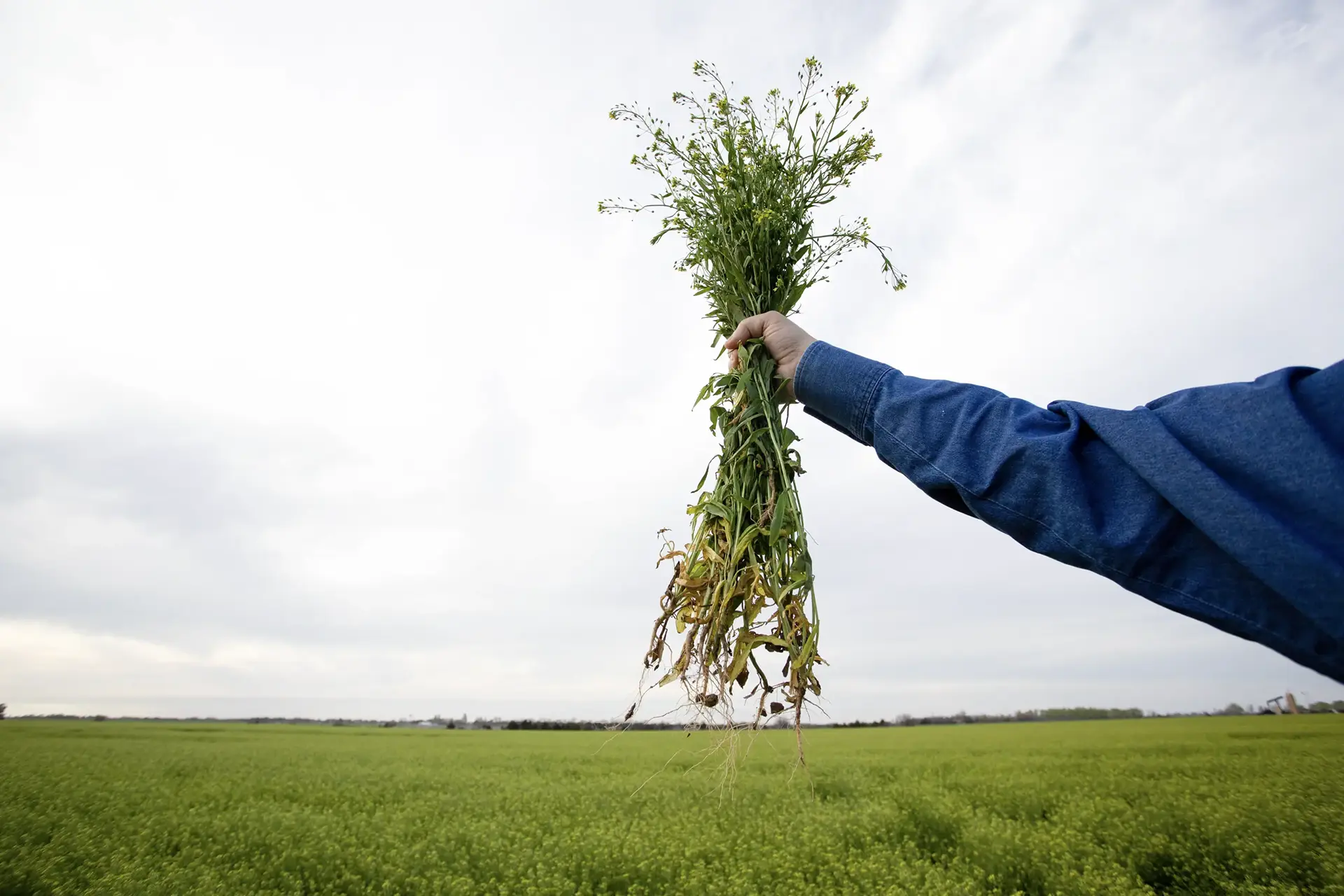
- 1Annual oilseed in the Brassica family
- 2Grows 2–4 feet tall at maturity
- 3Very small seed — about 400,000 seeds per pound
- 4Optimum soil temperature for germination is 50-60, minimum soil temperature 39
- 5Brief bloom period (2–3 weeks), yellow self-pollinating flowers
- 6Strong tolerance to drought and frost
- 7Suitable for irrigated or dryland systems
No special equipment is required.
All conventional small-grain equipment and tillage practices are compatible with camelina. Your VISION agronomist will provide guidance tailored to your geography and setup, from planting through harvest.
with grass boxes Compatible
seeders Compatible
combines Compatible
conventional tillage Compatible
Spec sheets, guides, and grower tools
Variety spec sheets, agronomy guides, and planning tools for contracted growers, collected in one place. Sign in to open the full resource library.